Managing employees involves much more than maintaining a list of names and job titles. HR teams need to manage employee records, attendance, shifts, leave, payroll, documents, approvals, and workforce reports. When these activities are handled through spreadsheets and disconnected tools, administrative work can become slow and error-prone. HR and payroll software brings these processes together in one connected system, making employee management easier, faster, and more organized.
In This Article
1. Centralizes Employee Records
Employee information is often spread across spreadsheets, documents, emails, and paper files. As an organization grows, finding the right employee information can become increasingly difficult.
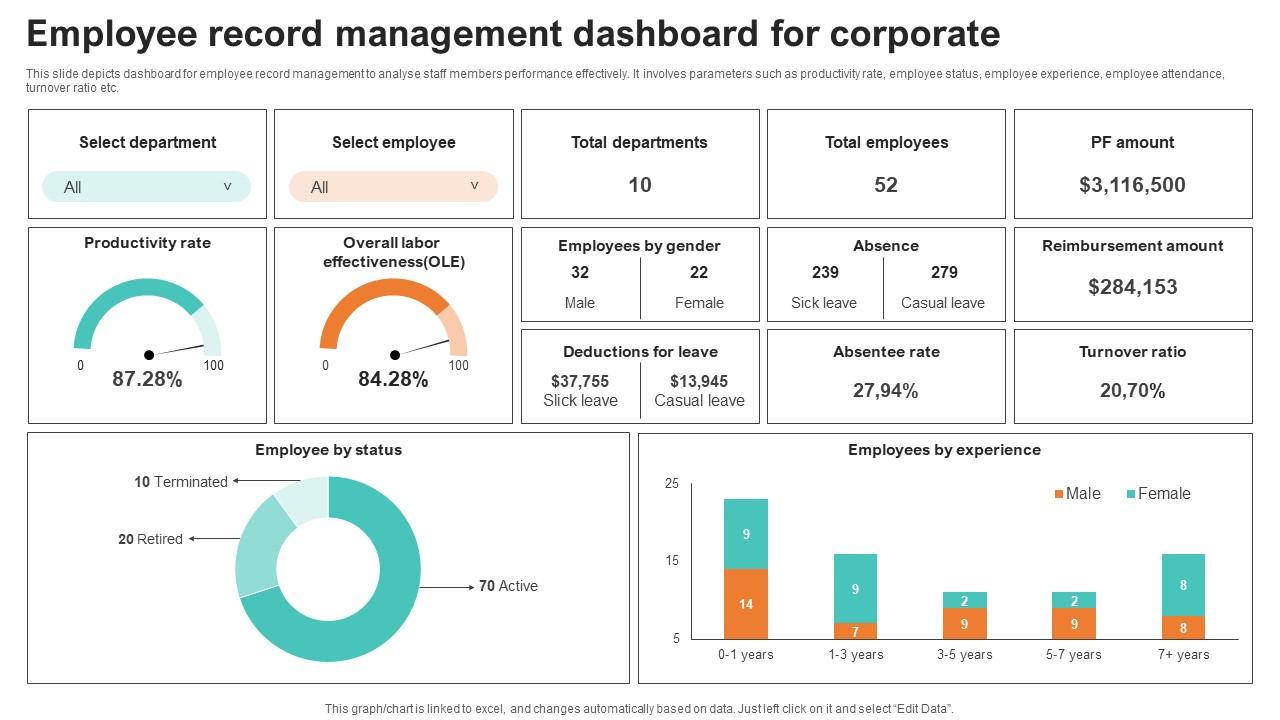
HR software creates a centralized employee database where important information such as employee profiles, departments, designations, joining dates, salary information, documents, and employment history can be managed in one place.
This makes it easier for authorized HR teams to find and update employee information without maintaining multiple versions of the same record.
Employee Profiles
Maintain employee information, job details, departments, and employment history in one place.
Digital Documents
Organize employee documents and HR records without depending on scattered paper files.
Faster Access
Search and retrieve employee information quickly when HR teams need it.
2. Automates Attendance & Time Tracking
Tracking employee attendance manually can require significant administrative effort. HR teams may need to collect attendance records, check late arrivals, calculate working hours, and identify absences before payroll can be processed.

HR and payroll software can connect attendance information with employee records and payroll. Depending on the system, attendance may be captured through biometric devices, mobile check-ins, or other supported methods.
This creates a more consistent process for monitoring attendance, working hours, shifts, late arrivals, overtime, and absences.
| Manual Attendance | HR Software |
|---|---|
| Attendance collected from separate sources | Attendance data centralized in one system |
| Manual checking of late and absent employees | Attendance status available through dashboards |
| Payroll data entered manually | Attendance can feed payroll calculations |
| Higher risk of calculation errors | Automated rules can improve consistency |
3. Simplifies Leave Management
Managing leave through emails, paper forms, spreadsheets, or informal messages can make it difficult to maintain accurate leave balances and approval records.

HR software can provide a digital leave workflow where employees submit requests, managers review them, and approved leave is reflected in the employee's leave balance.
When leave information is connected with attendance and payroll, HR teams can reduce the need to manually transfer leave data between different systems.
Leave Requests
Employees can submit leave requests through a centralized digital workflow.
Faster Approvals
Managers can review and approve requests without relying on paper forms or scattered messages.
Leave Visibility
HR and employees can monitor leave balances and approved absence information.
4. Automates Payroll Processing
Payroll is one of the most important and time-sensitive HR processes. Salary calculations may involve attendance, overtime, allowances, bonuses, deductions, taxes, and other company-specific rules.

HR and payroll software can bring employee salary structures, attendance, leave, overtime, allowances, deductions, and other payroll inputs into one process.
Instead of rebuilding payroll calculations every month, HR teams can use configured salary rules and employee data to create more consistent payroll runs and generate payslips and payroll reports.
Salary Calculations
Apply salary structures, allowances, deductions, overtime, and other configured payroll components.
Payslip Generation
Generate organized salary statements for employees after payroll processing.
Payroll Reports
Review payroll costs, salary components, deductions, and other workforce-related financial information.
5. Gives Employees Self-Service Access
HR teams often spend considerable time answering routine employee questions such as leave balances, payslips, attendance records, and personal information.

An employee self-service portal allows employees to access permitted information and complete common HR tasks themselves. This can reduce repetitive administrative requests while giving employees faster access to their own information.
Depending on the system, employees may be able to view payslips, submit leave requests, review attendance, update selected personal information, and access HR documents.
Employee Access
Employees log in to their own HR portal and view information relevant to their role.
Submit Requests
Employees can submit leave, attendance corrections, or other supported HR requests digitally.
Manager Approval
Managers can review and approve requests through defined HR workflows.
HR Visibility
HR teams retain centralized visibility over requests, employee records, and workforce activities.
6. Improves Employee & Performance Management
Employee management does not end with attendance and payroll. Organizations also need to manage goals, performance reviews, promotions, increments, training, and employee development.
HR software can bring employee information and performance activities into a structured system. Managers can use workforce data to review attendance patterns, performance information, goals, and other relevant employee metrics.
Keeping these records together can make employee development more organized and provide HR teams with a clearer history of workforce changes.
Performance Tracking
Monitor employee goals, reviews, KPIs, and other configured performance information.
Career Development
Maintain organized records for promotions, increments, training, and employee development.
Workforce Visibility
Give managers better visibility into team performance and workforce trends.
7. Provides Better HR Reporting & Insights
HR teams generate large amounts of workforce data every day. Without centralized reporting, management may need to combine information from attendance files, payroll spreadsheets, employee records, and leave reports manually.
HR and payroll software can bring workforce information into dashboards and reports. Depending on the system, management can review employee headcount, attendance, leave, payroll costs, overtime, performance, and other HR metrics.
Better reporting helps HR and management understand workforce trends and make decisions using current, organized information rather than manually assembled spreadsheets.
| HR Data | Management Insight |
|---|---|
| Employee headcount | Understand workforce size and structure |
| Attendance data | Identify attendance and punctuality trends |
| Leave records | Monitor absence patterns and leave utilization |
| Payroll information | Understand workforce costs and salary trends |
| Performance information | Support employee development and workforce planning |
How HR & Payroll Software Connects the Employee Lifecycle
The biggest advantage of an integrated HR system is that employee information does not need to be recreated in every HR process. A connected workflow can carry employee data from one process to another.
Hire & Onboard
Create the employee profile and organize onboarding information and documents.
Track Attendance
Record attendance, shifts, working hours, late arrivals, absences, and overtime.
Manage Leave
Process employee leave requests, approvals, and leave balances.
Process Payroll
Use employee, attendance, leave, and salary data during payroll processing.
Employee Self-Service
Give employees controlled access to their own HR information and requests.
Report & Analyze
Turn workforce data into useful HR reports and management insights.
What to Look for in HR & Payroll Software
The right HR and payroll platform should support your employee management processes while reducing unnecessary manual work. Important capabilities may include:
- Centralized employee database
- Employee profile and document management
- Attendance and shift management
- Biometric or mobile attendance integration
- Leave management and approval workflows
- Automated payroll processing
- Salary, allowance, bonus, and deduction management
- Payslip generation
- Employee self-service portal
- Performance and KPI management
- HR dashboards and workforce analytics
- Role-based access and employee data security
- HR reports and payroll reports
- Integration with accounting and other business systems
Conclusion
Managing employees efficiently requires HR teams to coordinate many connected processes. Employee records, attendance, leave, payroll, performance, documents, and reporting all contribute to the employee management lifecycle.
HR and payroll software brings these activities into a centralized environment. By reducing repetitive data entry, automating routine workflows, and connecting employee information across HR processes, businesses can make daily workforce administration more efficient.
As organizations grow, an integrated HR and payroll system can provide the visibility, automation, and employee self-service capabilities needed to manage a modern workforce more effectively.
Simplify Your Employee Management
Explore how HR and payroll software can connect employee records, attendance, leave, payroll, and workforce reporting in one efficient platform.
Explore HR & Payroll Solutions